Sports in Ethiopia: From Running Legends to Football Dreams

When people think of Ethiopia and sports, one image often comes to mind: a runner crossing the finish line, arms raised in victory. This reputation is well earned. Ethiopia has produced some of the greatest distance runners the world has ever seen.
But sports in Ethiopia is much more than running. Football draws massive crowds. Traditional games have been played for centuries. New government investment is building facilities for a young population with big dreams.
This article explores the full story of sports in Ethiopia from the barefoot Olympic glory of Abebe Bikila to the football pitches and sports complexes shaping the country’s future.
The Birth of a Running Nation
Ethiopia’s rise as a global athletics powerhouse began with one man: Abebe Bikila. At the 1960 Rome Olympics, Bikila did something no one expected. He won the marathon gold medal while running barefoot on the cobblestones of the Appian Way.
His time of 2 hours 15 minutes 16.2 seconds set a world record. Bikila was a member of Emperor Haile Selassie’s Imperial Guard and had only started running at age 24. He was little known outside Ethiopia before that race.
Four years later, Bikila made history again. He won a second Olympic marathon gold in Tokyo, despite having an appendectomy just 40 days before the race. This time he wore shoes. He became the first athlete to win two Olympic marathons and the first to bring an Olympic gold medal to Ethiopia.
Bikila’s success inspired generations. Mamo Wolde won the marathon gold in 1968. Miruts Yifter won double gold at the 1980 Moscow Olympics in the 5,000 and 10,000 meters. The tradition continued with Haile Gebrselassie, Kenenisa Bekele, and Tirunesh Dibaba, all of whom became global legends.
A more recent chapter came in 2024, when Tamirat Tola won the men’s marathon at the Paris Olympics in an Olympic record time of 2:06:26. Tola joined a list of fabled Ethiopian marathon winners including Abebe Bikila, Mamo Wolde, and Gezahegne Abera.
Beyond Running: Ethiopia’s Diverse Sports Culture
Running dominates the global image of Ethiopian sports. But look closer, and you will find a wider world of athletic activity.
Historical research shows that Ethiopian sports have always been diverse. Boxing, table tennis, and basketball produced successful athletes in the 1990s. The government even promoted a “sports-for-all” policy during that period. Training programs sent Ethiopian athletes and coaches to places like Havana, Bratislava, Kiev, and Warsaw.
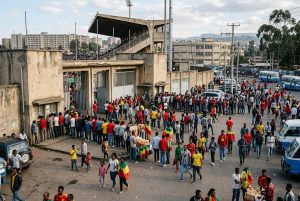
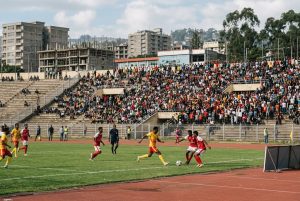
Today, football may be the most popular sport among young Ethiopians. The Ethiopian Premier League draws passionate crowds. But clubs face real challenges. Studies show insufficient budgets, lack of sports materials, and inadequate facilities across many regions. The Ethiopian Football Federation struggles with motivating players due to irregular salaries and a lack of balanced incentives. These problems limit the potential for developing competitive athletes.
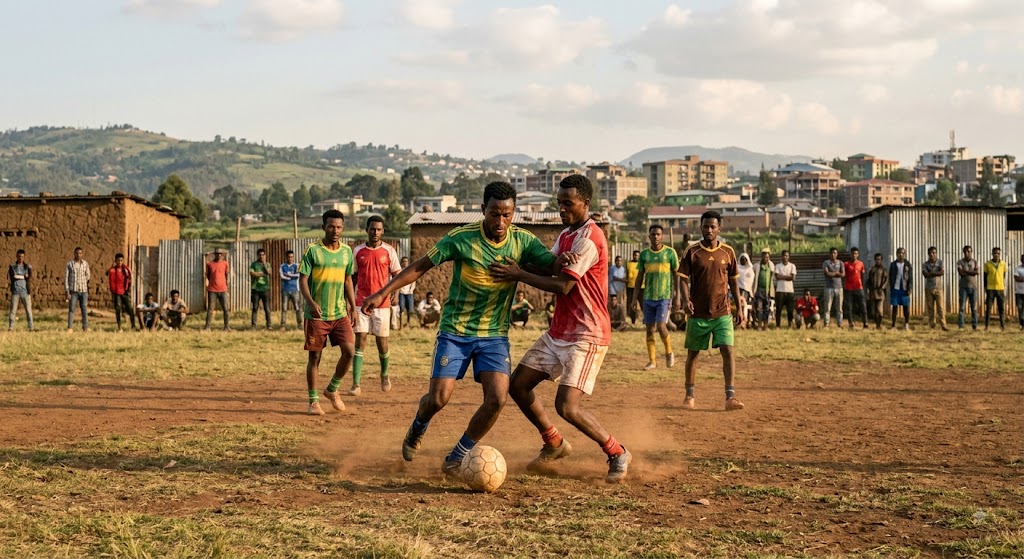
Despite these obstacles, football remains a source of national pride. The game connects communities across ethnic and regional lines in a way that few other activities can. Panel discussions and government officials increasingly emphasize the role of sports in fostering national unity.
Traditional Games: Ethiopia’s Sporting Heritage
Before modern sports arrived, Ethiopians played games that have survived for centuries. One of the most significant is called Ye-gena Chewata. This traditional game is played during Ethiopian Christmas and resembles field hockey.
Players use a crude hockey stick and a small wooden ball. Teams of 10 players face each other. The game has been played for centuries, with records mentioning it during the reigns of emperors Tewodros II, Yohannes IV, Menelik II, and Haile Selassie.
Winners were historically lavishly awarded. The game remains popular in rural areas, where players grow up with it and develop high skill levels. Urban players are no match for their rural counterparts, according to reports.
Ethiopia has registered 293 traditional and cultural sports and games across the country. These include horse racing in some communities and combat games among tribes like the Surma in the far south. The government has included cultural sports in the educational curriculum and even introduced separate competitions for women.
The Great Ethiopian Run: A National Festival
In 2001, Haile Gebrselassie launched an event that would become a symbol of Ethiopian athletics: the Great Ethiopian Run. This annual 10-kilometer road race through the streets of Addis Ababa attracts tens of thousands of participants.
What started as an idea has grown into a national festival. Around 50,000 people of all ages and social classes take part each year. Professional athletes run alongside amateurs who simply enjoy the experience. It has become one of the largest road races in Africa.
The event also supports charitable causes. Registration fees go to organizations that care for orphans, the elderly, and disadvantaged people. The race has produced famous athletes like Kenenisa Bekele, who used it as a stepping stone to global stardom.
In 2026, the Great Ethiopian Run celebrated its 25th anniversary without interruption, earning it international recognition. The prize money has grown substantially, reaching four hundred thousand birr for winners in both male and female categories.
New Investment in Sports Infrastructure
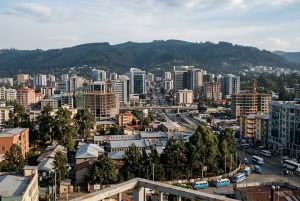
Ethiopia is investing heavily in sports facilities. In 2026, Prime Minister Abiy Ahmed opened new sports and leisure complexes in the capital built to international standards.
These facilities include Olympic-standard indoor and outdoor swimming pools, football pitches, volleyball courts, running tracks, and fully equipped gyms. The government also erected monuments to legendary athletes, including Abebe Bikila, Haile Gebrselassie, Kenenisa Bekele, and Tirunesh Dibaba.
Speaking at the inauguration, the Prime Minister said: “Character is shaped through interaction, empathy, and healthy competition. These facilities will help cultivate the unity and resilience needed for a strong nation”.
The investment reflects a broader shift in government priorities. The average age of Ethiopia’s population is 19, one of the youngest in the world. Officials see sports as a key way to engage and develop this enormous youth population. The government has also built more than 35,000 kindergartens and launched digital training programs like the “Five Million Ethiopian Coders” initiative.
The Future of Sports in Ethiopia
Ethiopian sports face both opportunities and challenges. The global reputation for running remains strong. New champions continue to emerge. Infrastructure is improving.
But challenges remain. Experts emphasize the need to commercialize and incentivize the sports industry to unlock its economic potential. The Ethiopian Sport Academy has called for legal and policy reforms to strengthen the sector.
There is also growing recognition that sports can contribute to national unity. In a country with ethnic tensions, sporting events provide a rare space where people come together behind shared goals. The unifying power of sport is seen as a counter to divisive narratives.
The government’s focus on youth development through sports and education is part of a larger strategy. The goal is to equip young Ethiopians with competitive skills and reduce the desire for outward migration. Whether this strategy succeeds will shape the future of both Ethiopian society and Ethiopian sports.
Quick Tips
- If you want to watch a match in Ethiopia: Check local listings for Ethiopian Premier League games. Stadiums can be crowded, so arrive early.
- Visit during the Great Ethiopian Run: The race happens annually in Addis Ababa. It is a festive, welcoming event for spectators and participants.
- Respect local traditions: Traditional games like Ye-gena Chewata are cultural events. If you observe, be respectful and avoid interfering.
- Book accommodation early: Major sporting events attract visitors from across Ethiopia and internationally. Hotels fill up quickly.
- Ask locals about sports: Ethiopians love talking about their athletes. You will learn more by asking than by reading.
Frequently Asked Questions
Who was the first Ethiopian to win an Olympic gold medal?
Abebe Bikila won Ethiopia’s first Olympic gold medal at the 1960 Rome Olympics in the marathon. He ran the race barefoot and set a world record.
What sports are most popular in Ethiopia today?
Running and athletics remain the most internationally recognized sports. Football is extremely popular locally, with the Ethiopian Premier League drawing large crowds. Traditional games like Ye-gena Chewata are also still played.
When is the Great Ethiopian Run held?
The Great Ethiopian Run is an annual 10-kilometer road race held in Addis Ababa. It takes place every year, with 2026 marking its 25th anniversary.
About The Author