Ethiopian Orthodox Fasting Food: What to Eat and When
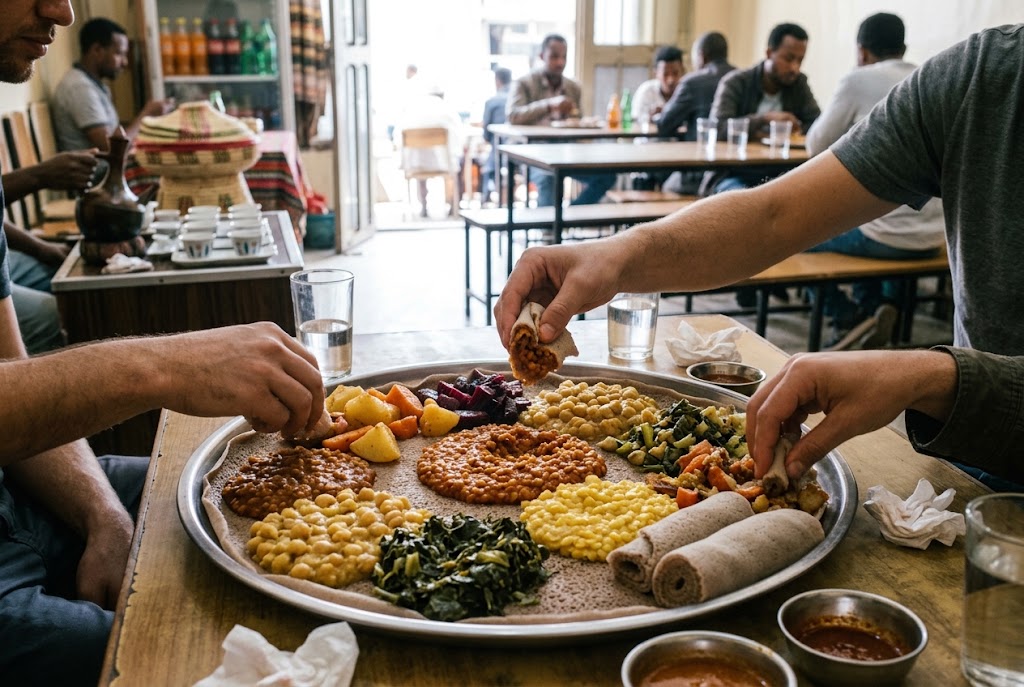
Ethiopian cuisine is famous for its rich stews and spicy flavors. But for millions of Orthodox Christians in Ethiopia, a large part of the year is spent eating a completely different kind of diet. This is the world of Tsom fasting.
The Ethiopian Orthodox Tewahedo Church prescribes fasting for more than 200 days a year. During these periods, followers abstain from all animal products: meat, dairy, eggs, and sometimes fish. What remains is a plant-based cuisine that has been developed over centuries. It is not a compromise or a sacrifice. It is a full, flavorful way of eating that stands on its own.
For travelers, understanding this tradition is essential. You will see “fasting” menus in restaurants. You will notice that many of Ethiopia’s most beloved dishes are naturally vegan. And if you visit during Lent, you will experience a country that has largely shifted its eating habits together.
This guide explains what Ethiopian Orthodox fasting food is, when fasting happens, and what dishes you should try.
What Tsom Means in Ethiopian Orthodox Practice
Tsom is the Amharic word for fasting. In the Ethiopian Orthodox Church, fasting is not simply about giving up food. It is a spiritual discipline that involves prayer, repentance, and self-control.
The dietary rules are strict. During fasting periods, believers abstain from:
- Meat of any kind
- Dairy products, including milk, butter, cheese, and yogurt
- Eggs
- Fish (though some interpretations allow it on certain days)
Instead, they eat cereals, vegetables, pulses, and legumes. This makes Ethiopian fasting food naturally vegan.
Fasting also involves restrictions on when to eat. On many fasting days, only one meal is allowed, taken in the afternoon or evening after 3:00 PM. On Saturdays and Sundays during Lent, eating in the morning is permitted.
The Church teaches that fasting should be done with repentance and forgiveness, not as a diet for health reasons. The purpose is spiritual, not physical.
When Fasting Happens: The Ethiopian Orthodox Calendar
The Ethiopian Orthodox Church observes seven major fasting periods throughout the year. Some are long, some are short. Together, they add up to more than 200 days of fasting annually.
The Great Lent (Hudadi or Abiy Tsom)
This is the most important and rigorous fast. It lasts 55 days and commemorates the 40 days Jesus spent fasting in the wilderness, plus Passion Week.
In 2026, Great Lent runs from February 16 to April 11, culminating in Fasika (Easter) on April 12.
During this period, the faithful abstain from all animal products. On weekdays, only one meal is eaten, usually after 3:00 PM. On Saturdays and Sundays, breakfast is allowed.
The final three days Good Friday through Easter morning involve total abstention from all food and drink.
Other Major Fasts
- Wednesdays and Fridays: Weekly fasting days throughout the year, commemorating the betrayal and crucifixion of Jesus
- Fast of Nineveh: A three-day fast commemorating the repentance of the people of Nineveh
- Fast of the Prophets (Advent): Preparing for Christmas
- Fast of the Apostles: After Pentecost
- Fast of the Assumption: A 16-day fast in August honoring the Virgin Mary
- Gehad: The eves of Christmas and Epiphany
The Fast of the Assumption (Filsata) runs from August 7 to 21 in 2026. It is a 16-day period of abstaining from animal products, with meals typically taken in the evening.
The Core Dishes of Ethiopian Fasting Food
Ethiopian fasting cuisine is built on a foundation of pulses, legumes, and vegetables. These dishes are not bland substitutes for meat. They are complete, satisfying meals in their own right.
Shiro
Shiro is perhaps the most iconic fasting food. It is a smooth, creamy stew made from ground chickpeas or broad beans. The powder is cooked with onions, garlic, and berbere (Ethiopian spice blend) to create a thick, velvety dish.
Shiro is hearty and deeply flavorful. It is often served bubbling hot in a clay pot, with injera on the side for scooping. For many Ethiopians, shiro is the ultimate comfort food.
Misir Wat
Misir Wat is a spicy red lentil stew. Red lentils are simmered with onions, garlic, ginger, and berbere until they break down into a thick, earthy stew.
The dish is warming and fiery, with a complex flavor from the spices. It is one of the most popular dishes on any fasting platter, and it is often the dish that introduces newcomers to Ethiopian cuisine.
Gomen
Gomen is collard greens sautéed with garlic, onions, and sometimes jalapeños. The greens are cooked until tender but not mushy, retaining some texture.
The dish is mild and earthy, providing a fresh counterpoint to the spicier stews on the platter.
Atakilt Wat
Atakilt Wat (also spelled Atkilt Wat) is a mild vegetable stew made with cabbage, carrots, and potatoes. The vegetables are cooked with turmeric, garlic, and a touch of chili.
The turmeric gives the dish a golden color and a gentle, warming flavor. It is one of the milder dishes on a fasting platter, making it a good option for those who prefer less spice.
Other Fasting Dishes
- Fosolia: Sautéed string beans and carrots
- Miser Alecha: Mild yellow lentils, less spicy than misir wat
- Shiro Wat: Ground chickpea stew, similar to shiro but with a different texture
- Tomato Salad: Fresh tomatoes, onions, jalapeño, and lemon juice
Yetsom Beyaynetu: The Fasting Platter
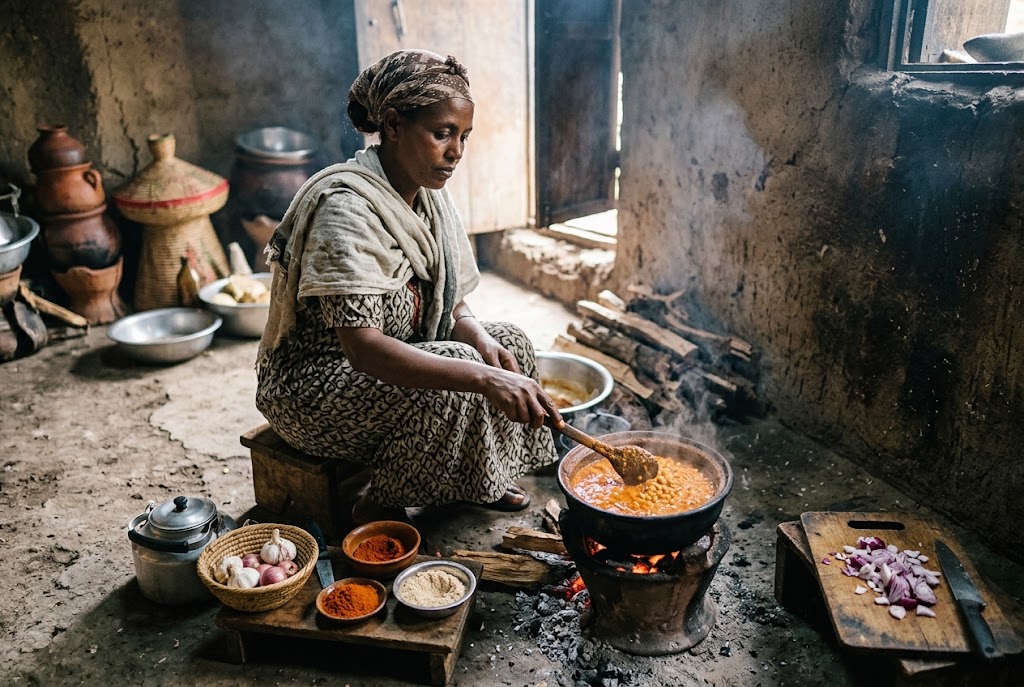
The best way to experience Ethiopian fasting food is to order Yetsom Beyaynetu. This is a sampler platter that brings together five to eight different fasting dishes on a bed of injera.
A typical Yetsom Beyaynetu might include:
- Shiro
- Misir Wat
- Gomen
- Atakilt Wat
- Fosolia
- Tomato salad
- Miser Alecha
The dishes are arranged in colorful sections around the injera. You tear off pieces of injera and scoop up bites from each section, mixing and matching flavors as you go.
This is the most popular way to eat during fasting periods. It is also the best way for visitors to try a wide range of dishes in one meal.
How to Order Fasting Food in Ethiopia
Ordering fasting food is straightforward. The key word is “Yetsom” (fasting).
When you sit down at a restaurant, you can simply say “Yetsom” to indicate that you want fasting food. The server will understand and bring you dishes prepared without any animal products.
Most restaurants in Ethiopia, from Addis Ababa to Lalibela to Gondar, offer a dedicated fasting menu. Even outside of official fasting periods, these dishes are available year-round because they are part of the everyday cuisine.
Some practical notes for ordering:
- Ask about niter kibbeh. This is clarified spiced butter used in many Ethiopian dishes. Fasting food is cooked with oil instead. If you are unsure whether a dish is fasting, ask whether it contains niter kibbeh.
- Check for fish. Some restaurants include fish on fasting menus, as interpretations vary. If you want strictly vegan food, confirm that no fish is included.
- Look for the fasting section. Many menus have a separate section marked “Yetsom” or “Fasting.”
Why Ethiopian Fasting Food Matters for Travelers
For travelers, Ethiopian fasting food is not just a curiosity. It is a practical advantage.
Ethiopia is a paradise for vegetarians and vegans. Because of the fasting tradition, plant-based dishes are central to the cuisine, not an afterthought. You can eat incredibly well without touching meat or dairy.
The food is affordable. Fasting dishes are typically cheaper than meat dishes. A Yetsom Beyaynetu is one of the best-value meals you can buy in Ethiopia.
The food is healthy. Ethiopian fasting cuisine is rich in fiber, plant protein, and nutrients. It is naturally low in cholesterol and saturated fat.
You will eat what locals eat. During fasting periods, the majority of Orthodox Christians are eating this way. Ordering Yetsom connects you to the daily rhythm of Ethiopian life.
Quick Tips
- Learn the word “Yetsom.” Saying “Yetsom” at a restaurant ensures you get fasting food without dairy or meat.
- Try shiro first. If you are new to Ethiopian fasting food, shiro is the most approachable dish. It is creamy, mild, and deeply satisfying.
- Ask about berbere level. Some dishes are very spicy. If you prefer less heat, ask for “alecha” versions, which are milder.
- Eat with your right hand. Tear off a piece of injera, scoop up the stew, and eat in one bite. This is the traditional way.
- Check fasting dates if you want the full experience. Visiting during Lent (February to April) means you will see the entire country observing the fast together.
Frequently Asked Questions
What is Ethiopian Orthodox fasting food?
Ethiopian Orthodox fasting food is a plant-based cuisine eaten during Tsom (fasting) periods. It excludes all animal products meat, dairy, and eggs and relies on pulses, legumes, vegetables, and grains. Common dishes include shiro (chickpea stew), misir wat (red lentils), gomen (collard greens), and atakilt wat (cabbage and potatoes).
How many days do Ethiopian Orthodox Christians fast?
The Ethiopian Orthodox Church prescribes more than 200 days of fasting per year across seven major fasting periods. This includes the 55-day Great Lent, weekly Wednesdays and Fridays, and several shorter fasts. The rules are strict but include exemptions for the sick, travelers, and the weak.
Can I find fasting food outside of fasting periods?
Yes. Fasting dishes like shiro, misir wat, and gomen are part of the everyday menu in most Ethiopian restaurants. You do not need to visit during a fasting period to enjoy them. Simply ask for “Yetsom” to ensure the dish is prepared without animal products.
About The Author